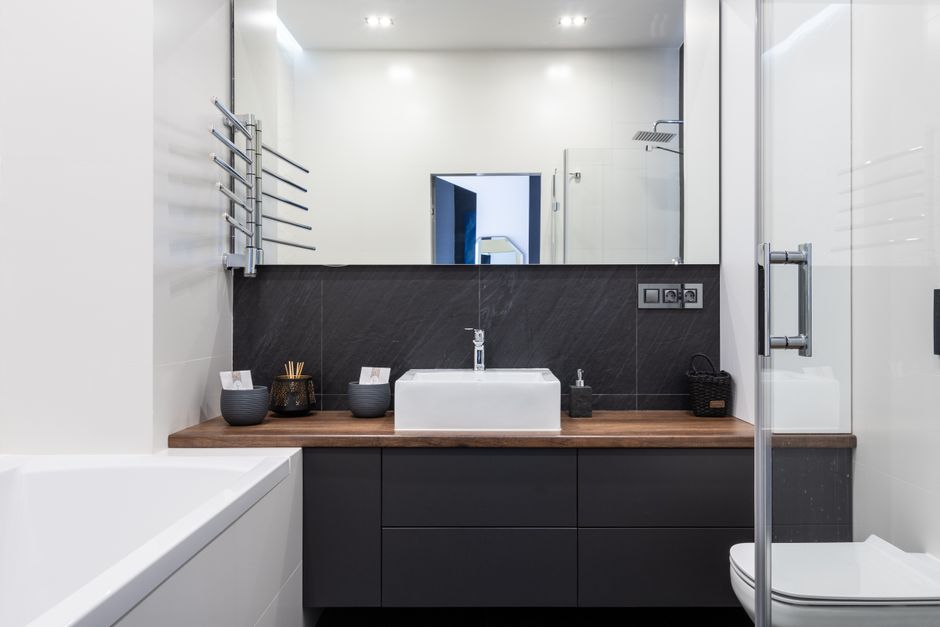
Is a Rectangular Mirror Always the Safest Choice if I Have Not Picked Lighting Yet?
When remodeling a bathroom, one question that frequently arises is whether a rectangular mirror is the "safe" default choice, especially if lighting fixtures haven't been selected yet. The answer isn’t as straightforward as many assume. From practical mounting concerns to how lighting interacts with different mirror shapes and sizes, mirrors are far from decorative afterthoughts. As someone who has spent over a decade documenting residential remodels and translating design choices into measurable rules—from mirror width to lumen counts—I’ll break down how to think about mirror styles, sizing, and lighting so your bathroom performs beautifully and lasts through humidity.
Mirror Types as Functional Decisions: Beyond Shape
Mirrors in bathrooms serve more than one purpose—and understanding these functions helps you avoid surprises.
- Shape: Rectangular mirrors are popular but not always the best fit for every lighting or vanity arrangement. Round and oval mirrors are trendy but can complicate lighting placement.
- Storage Options: Medicine cabinet style or mirrored storage adds bulk and mounting depth, which may impede added lighting fixtures.
- Mounting Style: Flush mounted, framed, or plate glass affects how lighting can integrate or be installed around them.
- Lighting Integration: Some mirrors come with built-in backlit or demister features, requiring coordination with electricians upfront.
The National Kitchen & Bath Association (NKBA) highlights that mirror selection should be driven primarily by intended bathroom use and lighting plans, not just aesthetics.
Rectangular Mirror Accepts Sconces More Easily
One big practical advantage of rectangular mirrors is that they typically allow flanking sconces on either side. This configuration provides excellent task lighting, ideal for grooming and applying makeup, with soft, evenly distributed illumination reducing shadows.
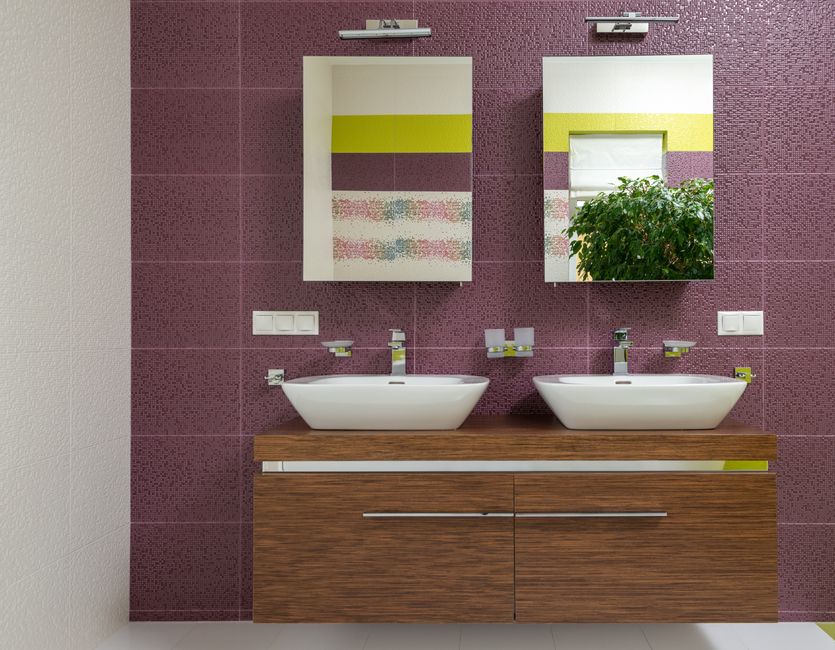
This reminds me of something that happened learned this lesson the hard way.. In contrast, round or oval mirrors crowd the available wall space and often force lighting choices to be above the mirror. This leads to more ambient-style illumination, which may not satisfy detailed grooming needs.
Task First Bathroom Mirror: The Core Approach
Lighting should drive mirror decisions, not the other way around. When you prioritize task lighting, you focus first on lighting suitable for hands-on bathroom activities (shaving, makeup, skincare), then pick or size your mirror accordingly. This strategy produces better daylight mimicking conditions and reduces eye strain.
The question is: without having chosen lighting yet, does a rectangular mirror offer a forgiving option? Generally, yes—with caveats explained in the next sections.
Sizing Rules Tied to Lighting Layout
Size matters—and not just how wide the mirror looks on the wall.
Width and Sconce Clearance
To ensure sconces can flank a rectangular mirror without feeling crushed, keep at least 28-30 inches minimum mirror width for two standard 6-8 inch wide sconces. This spacing ensures each fixture has room and the mirror does not contribute to visual clutter.
- Mark the vanity width first
- Subtract sconce widths plus recommended 4-inch clearance between mirror edge and fixture
- Dimension the mirror width accordingly
Without knowing lighting fixtures yet, this sizing rule still serves as a reasonable guideline because: while sconces vary, their physical size Additional hints rarely shrinks below 6 inches wide.
Height and Placement
The NKBA recommends mounting the mirror centerline roughly 60-65 inches above the floor, but this should be adjusted for the average user height and vanity countertop height (typically 32-36 inches).
Proper vertical placement ensures that pendant, sconce, or overhead lighting align well with mirror edges — avoiding glare reflection or shadow casting.
Above Mirror Light Bar Option
If sconces are not planned, an overhead light bar can be installed to serve as ambient and task lighting. A rectangular mirror pairs well with horizontally mounted LED bars or fluorescent fixtures. However, these require electrician coordination especially for hardwired LED fixtures integrated into mirror surrounds or above mounting points.
Keep at least 4-6 inches clearance above the mirror top for bar mounting. The electrician and glazier must collaborate to avoid interference during templating and drill alignment.
Placement Heights and Sconce Spacing: Practical Insights
The interaction of mirror height, width, and light fixture placement is Click for info a critical design dance.
- Determine strategic wall height: Usually 60-65" centerline. Adjust based on user height.
- Plan sconce heights: Ideally with centers at eye level ~66-70 inches high for standing adults.
- Sconce spacing: Leave 3-4 inches between mirror edge and sconce edge to prevent visual crowding.
- Allow electrician to pre-wire slots: Consult with the electrician to pre-install power feeds so lighting locations don't limit mirror placement after glass templating.
- Coordinate with glazier: If using plate glass mirrors with drilled mounting, early communication prevents rework.
Misalignments between mirror and lighting can cause glare, shadows, or fixture obstruction, leading to poor lighting quality and user frustration.
Task Lighting vs Ambient Lighting
Understanding the distinction is fundamental.
Lighting Type Purpose Mirror Shape Compatibility Typical Fixtures Task Lighting Illuminating faces clearly for detailed activities Rectangular preferred for flanking sconces Wall sconces, hardwired LED mirrors, side LED strips Ambient Lighting General room illumination and mood All shapes compatible, but above mirror bars fit rectangular best Overhead light bars, ceiling fixtures, backlit mirrorsMany bathroom remodels err by skipping task lighting or installing poorly positioned overhead-only sources that create harsh shadows.
Built-in LED mirrors, often hardwired and controlled by electricians, can combine task and ambient functions. However, their backlit glow might not replace flanking sconces, especially for clearer facial illumination.
Working with Professionals: Glaziers & Electricians
To maximize performance and durability, early professional collaboration is non-negotiable.
- Glazier: Responsible for templating and installing plate glass mirrors—must know fixture placement for drilling holes or recessing edges. Unsealed edges or poorly cut edges invite humidity damage.
- Electrician: Pre-wiring power outlets for hardwired LED mirrors or sconces avoids messy retrofits. Coordination reduces costly changes after mirror installation.
Both professionals help prevent common failures from cheap mirror frames, inadequate fans, or unsealed edges in humid environments.
Final Verdict: Is Rectangular Mirror Always the Safest Bet?
In summary:
- Rectangular mirrors generally accept sconces easily, supporting excellent task lighting.
- They provide more predictable sizing and mounting options that fit with most lighting designs.
- If lighting hasn’t yet been picked, a rectangular mirror sized per NKBA guidelines serves as a good starting point—but only if you plan to install sconces or an overhead light bar shortly after.
- Avoid oversized rectangular mirrors that crowd sconce space and impair lighting function.
- If you want round or shaped mirrors, prioritize picking lighting first to avoid fixture-mirror conflicts and glare issues.
You ever wonder why think "task first bathroom mirror" always: lighting design drives mirror selection, not the reverse. Rectangular mirrors are a pragmatic choice when lighting is uncertain—but not an excuse to delay lighting plans.
Recommended Suppliers and Resources
- National Kitchen & Bath Association (NKBA) offers design standards and best practices.
- Golden Lighting provides a diverse array of sconces and above mirror bars designed for bathrooms.
- Lumens features curated lighting selections ideal for task and ambient layering around mirrors.
Engage glaziers and electricians early in your project to align mirror templating and lighting installation schedules. Demister yes. Dashboard maybe. Get your mirror and lighting right first — the rest is easy.