How Much Is a Zone Air 12,000 BTU 115V Wall-Mount Mini Split?
A Zone Air 12,000 BTU, 115V wall-mount mini split costs about $2,000 for the equipment, based on typical advertised pricing. That is the starting point—not necessarily the installed price. The final budget can also include mounting hardware, electrical work, a drain solution, permits, and tools or accessories required by the installation manual.
For a garage, the bigger question is whether 12,000 BTU is enough. Garages often lose heat faster than insulated rooms in a home, so standard interior-room sizing charts can undershoot. As a rough starting point, a garage may need 30% to 50% more capacity than an interior room of similar size. Insulation, ceiling height, air leakage, window area, local winter temperatures, and how warm you want the space all affect the answer.
This guide breaks down the Zone Air 12k price, likely add-on costs, how it compares with MRCOOL DIY systems, and what to consider when choosing a 115V model versus a 230V unit.
Quick price summary
Cost item Typical planning range What to check Zone Air 12,000 BTU equipment About $2,000 Confirm what is included: indoor unit, outdoor unit, line set, remote, and installation parts. Condenser pad or wall brackets Varies by mounting choice Check the condenser’s weight, clearances, snow exposure, and the manufacturer’s mounting requirements. Electrical work Depends on existing service and wiring Verify voltage, circuit rating, disconnect requirements, and wire specifications on the nameplate and manual. Permits or inspection Varies by location Ask your local building department whether a permit is required. Installation labor Depends on scope and local rates Get an itemized quote and confirm who handles electrical and refrigerant-related work.These figures are budgeting guidance, not a firm quote. Product bundles and local labor prices change, so verify the current listing and included components before buying. The key distinction is equipment-only pricing versus the complete cost of a safe, code-compliant installation.
What does the Zone Air 12k price include?
When comparing a zone air 12k price with another mini split, do not compare only the headline price. Check the product listing and installation manual to see whether the package includes the indoor air handler, outdoor condenser, line set, remote, mounting plate, drain hose, and any required communication cable. Even when a line set is included, its length and connection type may not suit your layout.

Also look for installation limitations. Some systems are marketed for DIY installation, while others may require a qualified technician for specific refrigerant, electrical, or warranty steps. A short, straightforward line-set route is usually easier to plan than one that has to wrap around obstacles or leave excess tubing coiled behind the outdoor unit. Avoid assuming you can shorten, extend, or coil a line set in any configuration; follow the manufacturer’s instructions.
Budget for the outdoor unit location
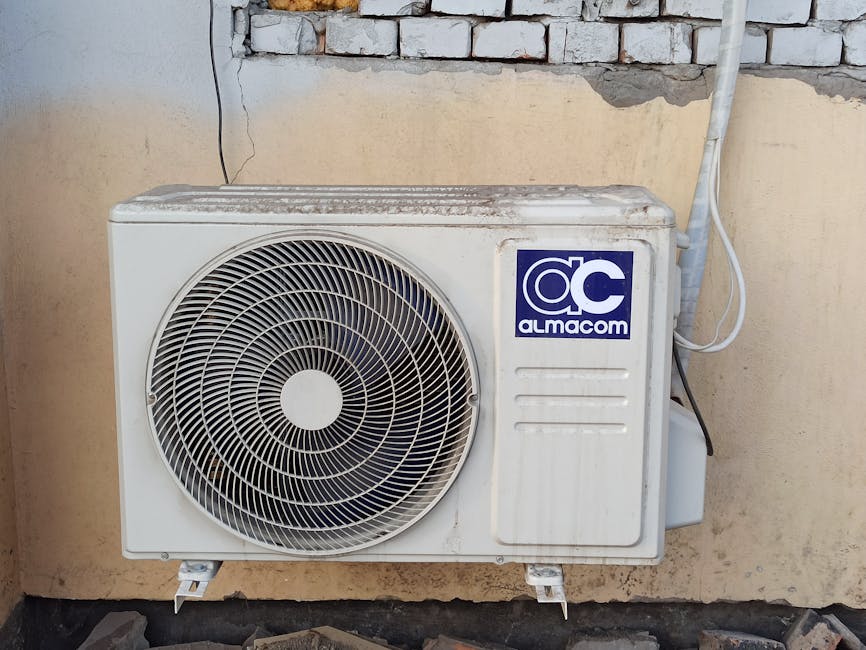
A condenser pad is a common ground-level option when there is a stable, well-drained location with adequate clearance. In snowy areas, placement matters: snow accumulation can block airflow or bury the unit. Wall brackets can raise the condenser above typical snow depth and keep the ground-level footprint clear, but the wall and fasteners must support the unit and vibration. Follow the specified clearances and mounting instructions rather than choosing brackets by appearance alone.
Is 12,000 BTU enough for a garage?
BTU capacity is not determined by floor area alone. A garage with a tall ceiling, thin walls, an uninsulated overhead door, frequent door openings, or a drafty sill may need substantially more heating and cooling than a similarly sized finished room. Using a rough adjustment of 30% to 50% above an interior-room estimate can help flag undersizing, but it is not a substitute for a heat-loss calculation or manufacturer sizing guidance.
Check these garage conditions before choosing capacity
- Insulation: Note whether the walls, ceiling, and garage door are insulated—and whether insulation is installed continuously.
- Ceiling height: A high ceiling increases the volume of air and can create temperature stratification.
- Air leakage: Look at the overhead door edges, side door, windows, and gaps around penetrations.
- Use pattern: A workshop where the door opens repeatedly has different demands from a closed storage garage.
- Climate: Check the unit’s published heating performance at low outdoor temperatures, not just its nominal capacity.
- Comfort target: Holding a garage above freezing takes less capacity than keeping it at living-room temperatures during a cold snap.
If the garage is poorly insulated or unusually tall, 12,000 BTU may not keep up with peak winter conditions. Oversizing can also be a poor fix: an oversized system may cycle more than desired in mild weather, depending on its modulation range and controls. For a confident selection, use a load calculation that accounts for the garage’s construction and local design temperatures.
115V wall mount cost: plug-in convenience versus circuit planning
A 115V unit can be attractive when a suitable electrical supply is nearby. But “115V” does not automatically mean the system can be plugged into any convenient outlet. The unit’s nameplate and installation manual determine whether it uses a cord and plug or requires a hardwired connection, as well as the required circuit size, overcurrent protection, conductor type, and disconnect.
Before buying, check the breaker panel and the exact electrical requirements for the specific model. A mini split may need a dedicated circuit, and sharing a circuit with garage receptacles, lighting, or a freezer can create nuisance trips or violate the manufacturer’s instructions. Do not size a breaker from the voltage alone: use the nameplate and manual, and have an electrician evaluate panel capacity and wiring if anything is unclear.
When a 115V unit may make sense
- The manufacturer supports the installation method you need.
- The required dedicated circuit can be provided without exceeding panel limits.
- The unit’s heating output is adequate for the garage and local winter conditions.
- The line-set route and outdoor mounting location suit the included kit and instructions.
When to consider 230V
A 230V model may be a better fit when the desired capacity or performance is not available in a suitable 115V option, or when the manufacturer’s product line specifies a 230V supply. It will generally require an appropriate two-pole breaker and correctly sized wiring, but the exact requirements vary by model. A 230V circuit is not automatically more efficient or cheaper to operate; compare the unit’s performance data and the cost of providing the circuit.
The practical choice is the one that matches the load, the manufacturer’s electrical specifications, and the home’s panel capacity. If the panel is full, the service is limited, or a new run is needed, include that work in your 115v wall mount cost comparison. A low equipment price can be offset by electrical upgrades.
Zone Air vs. MRCOOL DIY: what to compare
Zone Air and MRCOOL both appear in the DIY mini-split conversation, but the right comparison is model-to-model, not brand slogan to brand slogan. Product features, included line-set lengths, warranty terms, electrical requirements, and heating performance vary by model and can change over time.
Comparison point What to verify for Zone Air What to verify for MRCOOL DIY installation requirements Read the exact manual and confirm which steps are homeowner-permitted. Check the specific DIY model’s connection method and required tools. Line set Confirm length, fittings, routing limits, and whether excess length may remain. Confirm line-set length and the manufacturer’s rules for routing or excess tubing. Electrical supply Use the nameplate and manual to confirm voltage, breaker, and wiring. Check the same details for the exact capacity and generation. Warranty Review registration deadlines, installer requirements, and exclusions. Review registration, DIY eligibility, and service conditions. Cold-weather heating Compare published capacity at low outdoor temperatures. Compare the same low-temperature performance points.MRCOOL’s DIY positioning may appeal to buyers who want a system designed around homeowner installation, but you still need to follow its instructions exactly and plan electrical work correctly. Zone Air may be appealing if its package, capacity, and price fit your project. Neither brand should be chosen based only on a low advertised price or a claim that installation is simple.
Look especially closely at line-set logistics. If the supplied line set is longer than your route, do not assume it is acceptable to coil the extra length behind the condenser. The manual should say what routing is allowed. If the kit cannot accommodate your layout without mini split filter cleaning schedule an unapproved modification, ask the manufacturer or a qualified installer before purchase.
SEER2, HSPF2, and the cost to operate
SEER2 measures seasonal cooling efficiency under updated test procedures, while HSPF2 measures seasonal heating efficiency. Higher ratings can mean less electricity for a given amount of heating or cooling under standardized conditions, but they do not guarantee a specific bill. Outdoor temperatures, thermostat settings, air leakage, installation quality, electricity rates, and how often the garage door opens all affect actual use.
For a cold-winter garage, pay particular attention to heating capacity at low outdoor temperatures. A unit may have a strong nominal HSPF2 rating yet deliver less heat as the weather gets colder. Compare the manufacturer’s performance tables at temperatures relevant to your area, and check whether supplemental heat may be needed during severe cold.
A simple way to estimate operating cost
- Find the unit’s power draw or rated input in the manufacturer’s technical data.
- Estimate how many hours per day it will operate at that input. Inverter systems vary output, so this is an estimate.
- Multiply kilowatts by operating hours to estimate kilowatt-hours.
- Multiply the estimated kilowatt-hours by your electricity rate.
For example, a system averaging 1 kW for 6 hours uses roughly 6 kWh. At an electricity rate of $0.20 per kWh, that would be about $1.20 for that day. The real average can be higher or lower depending on the weather and the system’s output. Use this calculation as a comparison tool, not a promise of monthly savings.
Installation costs and local quotes
For a DIY-friendly purchase, the price of the unit is only one part of the project. Possible additional expenses include a condenser pad or wall brackets, electrical materials or a new circuit, a disconnect, line-set covers, a condensate drain route, wall-penetration sealing, and permits. If hiring help, ask whether the quote includes mounting, electrical work, commissioning, and any required inspection—or only part of the job.
Angi can be useful for getting a sense of local contractor availability and requesting estimates, but compare itemized quotes rather than relying on a single average. Ask contractors whether they have installed the exact model, what work is included, and whether they will support a homeowner-supplied unit. Some installers may decline customer-provided equipment or limit their labor warranty, so settle that before ordering.
Bottom line: is about $2,000 a fair price?
About $2,000 is a reasonable starting point for the equipment-only pricing of a Zone Air 12,000 BTU, 115V wall-mount mini split, assuming that is the current price for the model and bundle you are considering. It is not a complete project budget. Confirm what is in the box, check the electrical requirements, and add the cost of mounting, permits, and any professional work needed.
Most importantly, do not choose 12,000 BTU just because the garage seems similar in size to a bedroom. Garages commonly need 30% to 50% more capacity than interior rooms, and high ceilings, weak insulation, air leaks, and harsh winters can push the requirement further. Compare Zone Air with the equivalent MRCOOL model by manuals, line-set rules, warranty, electrical needs, SEER2, HSPF2, and low-temperature heating capacity. That is how to judge whether the price—and the system—fits your garage.