How Do I Know If My Electrical Panel Can Handle a Mini Split?
Mini splits have surged in popularity among homeowners looking to upgrade heating and cooling efficiency without the need for ductwork. With brands like Zone Air, MrCool, and Senville leading the charge, selecting the right system is easier than ever. But before you dive into installation, a critical question remains: Can your electrical panel handle a mini split?
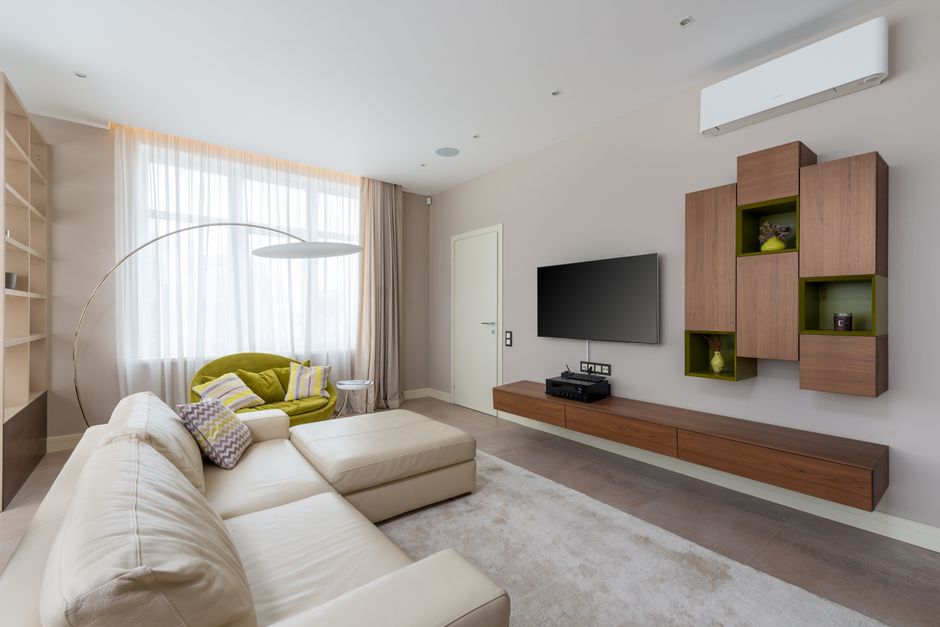
Ever notice how understanding your panel capacity, the concept of a dedicated circuit, and max breaker size are foundational steps to ensure a safe and reliable installation — especially if you're considering a diy approach.
Understanding True DIY Mini Splits
The term "DIY mini split" gets thrown around a lot, but what exactly does "true DIY" mean in the world of mini splits? True DIY mini splits come with features designed for homeowners who want to install the system themselves without specialized HVAC tools or expensive professional service calls.
Pre-Charged Quick Connect Line Sets
Brands like MrCool and Senville offer systems with pre-charged quick connect line sets. seer2 rating This technology eliminates the need for having a vacuum pump or refrigerant gauges during installation—tools traditionally essential to evacuate and charge refrigerant lines safely and correctly.
- Vacuum Pump: Normally required to remove moisture and non-condensable gases from refrigerant lines before releasing refrigerant.
- Refrigerant Gauges: Used to measure pressure during charging and ensure appropriate refrigerant levels.
With pre-charged quick connects, the refrigerant is factory sealed in the lines, allowing you to simply snap together the indoor and outdoor units. This innovation dramatically lowers the barrier for homeowners aiming to take on their HVAC installations.
Key Electrical Panel Questions to Ask Before Installation
Even with a DIY-friendly mini split in hand, your electrical setup must support the new appliance safely and efficiently. Here are the key considerations:
- Panel Capacity (Amps and Load): Does your electrical panel have enough available amperage to support the mini split without overloading?
- Dedicated Circuit: Is there an existing dedicated circuit for your HVAC equipment, or do you need to install one?
- Max Breaker Size: What breaker size does the mini split require, and can your panel accommodate that breaker type?
What is Panel Capacity and Why It Matters
Your home's electrical panel has a total amperage rating (commonly 100, 150, or 200 amps). This rating defines how much electrical load the panel can safely handle. Adding a new mini split means adding an electrical load that you must confirm the panel can sustain.
For example, a typical ductless mini split indoor/outdoor combo might draw between 15 to 30 amps depending on size and tonnage. Panels already close to their capacity may cause breakers to trip frequently or, worse, create safety risks if circuits are overloaded.
What Is a Dedicated Circuit and Why Is It Needed?
A dedicated circuit means a circuit breaker supplying power exclusively to the mini split system — nothing else shares that circuit. This prevents voltage drops, allows safe operation, and meets electrical code requirements.
Mini splits from Zone Air, MrCool, and Senville will always specify the need for a dedicated circuit in their installation manuals, noting recommended breaker size and wire gauge based on the unit’s amperage draw.
Determining the Max Breaker Size for Your Mini Split
Mini Split Model / Size Typical Max Breaker Size (Amps) Wire Gauge Recommendation MrCool DIY 12,000 BTU 20 amps 12 AWG Senville SENL Series 18,000 BTU 30 amps 10 AWG Zone Air 24,000 BTU 40 amps 8 AWGThe "max breaker size" means the maximum size circuit breaker you should use for that system’s power supply. Installing a breaker that is too large without proper wiring is a safety hazard, as it may not trip quickly enough if there is a short circuit.
How to Check Your Electrical Panel’s Available Capacity
Before purchasing a mini split, it’s wise to evaluate your electrical panel’s available capacity:
- Locate your electrical panel: Usually in the basement, garage, or utility closet.
- Check panel rating: Confirm the amperage rating on the panel door label (e.g., 100A, 150A, 200A).
- Inventory your circuits: Identify all active breakers and note their amperage ratings.
- Calculate total load estimate: Sum typical amperage draws of appliances, lighting, and other loads on your system.
- Determine available capacity: Subtract your estimated load from your panel rating. Ensure this exceeds the mini split's max breaker size.
If your panel's available capacity is insufficient, consider an upgrade or consult a licensed electrician to add a subpanel dedicated to your HVAC equipment.
Efficiency Metrics to Understand Before Buying
Mini splits generally deliver great efficiency but knowing the modern metrics helps you compare models fairly when shopping across trusted brands like Zone Air, MrCool, and Senville.
Metric Description What to Look For SEER2 Seasonal Energy Efficiency Ratio (updated testing standard) Higher SEER2 rating means better cooling efficiency; look for 16 or above for strong performance. HSPF2 Heating Seasonal Performance Factor (updated standard) Measures heating efficiency; higher number = more efficient heating; 9.5+ is excellent in newer models.Both are upgraded https://discountcleaners.net/is-a-multi-zone-mini-split-really-diy-or-do-i-need-an-hvac-tech/ from previous SEER and HSPF standards starting 2023 to provide more accurate testing based on real-world conditions.
Cold-Weather Heating Reality Checks
If you live in a climate with cold winters, understand that even highly efficient mini splits have temperature limits. Brands like Senville and Zone Air offer models rated for operation down to 5°F or lower, but output capacity diminishes as outdoor temps drop.
- Research your chosen mini split’s cold climate ratings.
- Consider supplemental heat sources if winters consistently drop below model specs.
- Proper installation and sealing of indoor units will maximize efficiency and comfort.
For DIYers, cold-weather capability often depends on both equipment selection and installation precision, emphasizing the need to understand your system's specifications fully.

Summary: Is Your Panel Ready for a Mini Split?
Here’s a quick recap of what to do before installing your mini split:
- Identify your panel amperage rating. This is often on the panel door.
- Calculate existing load amperage. Make sure you have enough margin for new equipment.
- Check mini split specifications from brands like MrCool, Senville, or Zone Air for required breaker size and wire gauge.
- Install a dedicated circuit breaker matched to unit recommendations.
- Use true DIY systems with pre-charged quick connects to avoid vacuum pump and refrigerant gauge needs.
- Consider cold-weather limitations if you rely on the mini split for winter heating.
Following these steps ensures your mini split installation will be safe, efficient, and up to code, letting you enjoy the comfort upgrades faster and with less hassle.
Additional Resources
- MrCool Official Site – Learn About DIY Mini Split Systems
- Senville Mini Split HVAC
- Zone Air Products – Ductless Mini Splits
If in doubt, always consult a licensed electrician or HVAC professional to evaluate your electrical panel and help with your mini split installation. Safety first!